Site access
A plot with a good access road and flat terrain is significantly cheaper to build on than a hillside site or a coastal lot reached by a rough dirt track. Getting materials to a remote site adds cost at every stage.
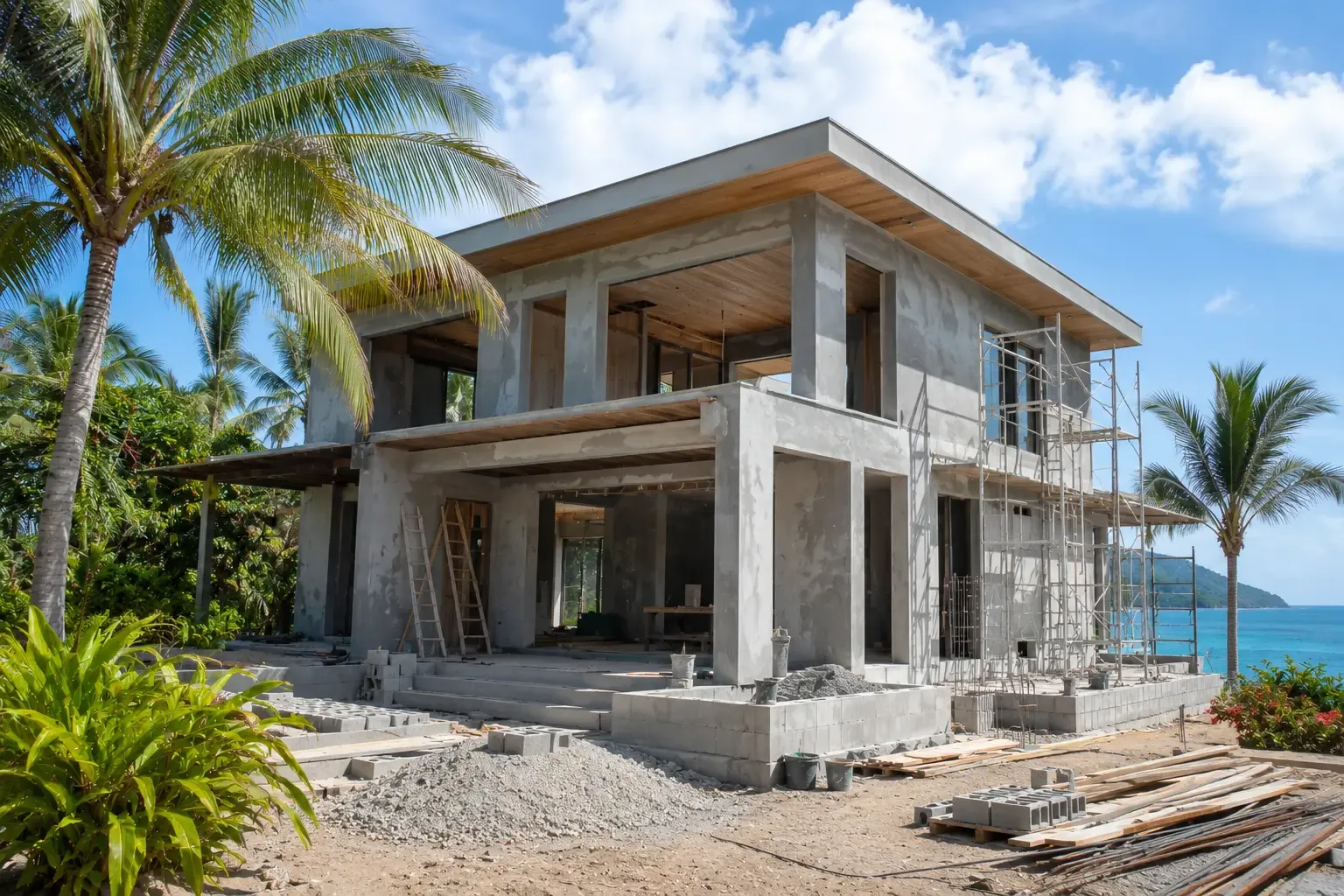
The cost to build a house in Nicaragua ranges from $700 to $1,300 per square meter, depending on finish level, site conditions, and location. For most custom homes built for foreign buyers, the working range is $850 to $1,050 per square meter.
Those figures cover construction only: the physical build from foundation to handover. Land, permits, architectural fees, furniture, and utility connections are separate line items covered further down this page.
The single biggest variable in your build cost is finish level. The table below shows the three tiers used in practice, with indicative cost ranges and what each level typically includes.
| Finish level | Cost range (USD/m²) | Typically includes |
|---|---|---|
| Standard | $700 – $850 | Concrete block structure, basic ceramic tiling, standard plumbing fixtures, painted walls, aluminum windows and doors, functional kitchen cabinetry |
| Mid-range | $850 – $1,050 | Higher-quality flooring (polished concrete or premium tile), upgraded fixtures, custom joinery, covered outdoor terrace, air conditioning provisions, more refined kitchen |
| High-end | $1,050 – $1,300 | Premium imported materials, custom woodwork, high-spec bathrooms and kitchen, central air conditioning, pool infrastructure, landscaping, higher structural specifications |
A mid-range build is the most common choice for expat buyers who plan to live in the home or use it as a short-term rental. Standard finish is typical for investment builds where cost control is the primary driver. High-end finishes are usually reserved for primary residences or boutique hospitality projects.
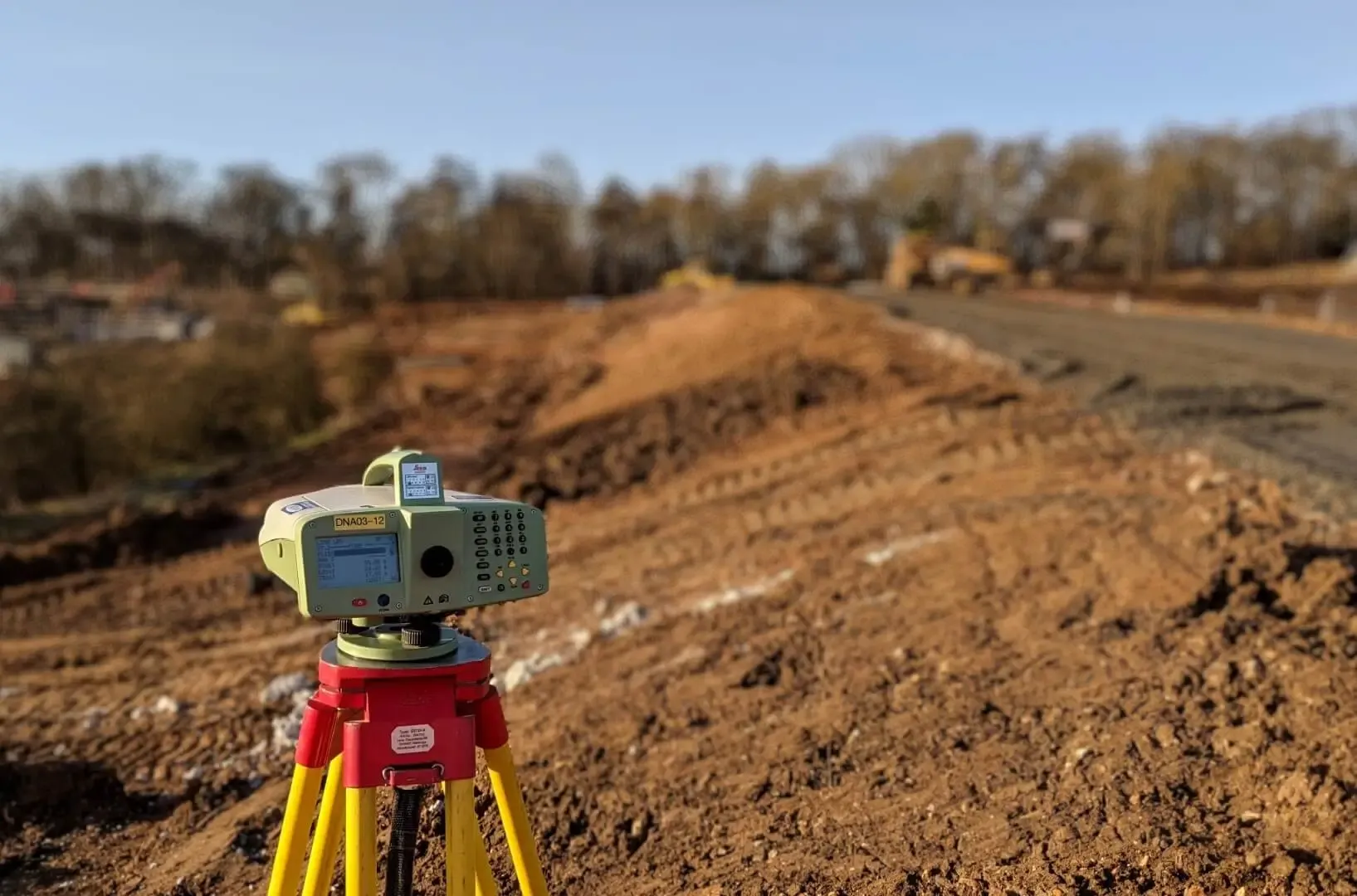
Finish level is the variable you choose. These are the variables that find you.
A plot with a good access road and flat terrain is significantly cheaper to build on than a hillside site or a coastal lot reached by a rough dirt track. Getting materials to a remote site adds cost at every stage.
A sloped site requires more foundation work and sometimes retaining structures. The steeper the gradient, the more this adds to the structural line item.
Nicaraguan suppliers carry a solid range of standard construction materials. Specialty fixtures, European-brand fittings, or designer tiles need to be imported, which adds both cost and lead time.
Changes to the design after work has begun are the most reliable way to add cost to a project. Structural changes in particular compound quickly across trades.
Nicaragua's main material suppliers are concentrated around Managua and the Pacific corridor. The further your site from these routes, the higher the logistics cost.
Larger projects benefit from economies of scale on some line items. Smaller builds under 100m² often carry a higher cost per square meter than mid-size homes.
These costs sit on top of the construction figure and are consistently underestimated. Budget for them before you start.
| Cost item | Typical range |
|---|---|
| Municipal construction permit | ~1% of total construction value |
| Architectural and design fees | 5% – 10% of construction value |
| Structural engineering | Often included in architectural fees; verify scope at briefing stage |
| Survey and topography | $500 – $1,500 depending on plot size and complexity |
| Legal and notary fees (title work) | $500 – $2,000 depending on transaction complexity |
In practice, permit and professional fees add roughly 10 to 15 percent to your total construction budget. A $120,000 build typically carries $12,000 to $18,000 in fees above the construction cost.
Permit timelines also affect your overall calendar. Most residential permits in Nicaragua take between 2 and 6 months depending on the municipality. We initiate the permit process as early as possible so it does not compress the construction window.
Nicaragua is consistently the most affordable construction market in Central America for foreign buyers. The primary reason is labor cost: skilled construction labor in Nicaragua is significantly cheaper than in Costa Rica or Panama, and that difference flows directly through to the final cost per square meter.
Material costs are comparable across all three countries for standard local supplies. The gap widens on the labor side and on land: a coastal plot in Costa Rica or Panama typically costs several times more than equivalent land in Nicaragua's Pacific corridor. That land premium raises total project costs before a single block is laid.
The quality ceiling is the same in all three countries. A high-end build in Nicaragua can match the finish quality of anything built in Costa Rica or Panama. It costs considerably less to get there.
The table below shows a realistic total budget for a 150 square meter home built to a mid-range finish. These are indicative figures based on current Nicaragua construction costs; your specific site, design, and location will move individual line items.
| Budget item | Estimated cost (USD) |
|---|---|
| Construction (150m² × $950/m²) | $142,500 |
| Architectural and engineering fees (7%) | $9,975 |
| Municipal construction permit (1%) | $1,425 |
| Site preparation and access | $3,000 – $5,000 |
| Utility connections (water, electricity) | $1,500 – $3,000 |
| Contingency reserve (10%) | $14,250 |
| Estimated total | $172,650 – $176,150 |
This example does not include land purchase, furniture, landscaping, or a pool. It assumes reasonable site access. A sloped or remote site would push site preparation higher; a high-end finish would add $30,000 to $40,000 to the construction line.
Construction cost per square meter covers the physical build. The following items are separate and need to appear in your total project budget before you start.
The most variable item on any project. Coastal plots in the Tola and San Juan del Sur area range widely depending on size, ocean view, and road access.
FF&E (furniture, fixtures, and equipment) is not part of the construction contract unless explicitly agreed in advance.
Quoted and contracted separately from the main build.
Connecting to the municipal water supply, electricity grid, or installing a septic system is not included in the per-m² construction cost.
If your plot does not have a usable road, building or improving one is an additional cost that varies significantly by terrain and distance.
Budget a minimum of 10% of total project cost as a contingency. Material prices and design decisions during construction can and do move final costs.
Build costs in Nicaragua are not uniform across the country. The factors that move costs by region are primarily material logistics and labor availability, not base labor rates, which remain competitive across most of the country.
The Pacific coast (Tola, Popoyo, San Juan del Sur) is the most active market for expat builds. Access to materials is generally good along the main Pacific highway. Remote beach plots reached by unpaved tracks carry a logistics premium at every stage.
The northern highlands (Matagalpa, Jinotega, Estelí) have lower land costs and a cooler climate that reduces cooling infrastructure requirements. Mountain road conditions in some areas add to material delivery times.
The Caribbean coast (Bluefields, Corn Islands) is the most logistically demanding region. Much of the material supply arrives by boat or small aircraft, which adds meaningfully to construction costs across the board.
Managua and the central corridor offer the most straightforward logistics. Materials are readily available, labor is competitive, and permit offices are accessible. Build costs here tend to sit in the lower half of the national range.
The working range is $700 to $1,300 per square meter depending on finish level. Most homes built for expat buyers land between $850 and $1,050 per square meter. Add 10 to 15 percent for permits and professional fees, and budget separately for land, furniture, landscaping, and utility connections.
Most residential builds run between 8 and 16 months from initial consultation to handover. That includes the design phase, permit processing (2 to 6 months depending on the municipality), construction, finishing, and final walkthrough. The permit stage is the most variable and the one we start earliest.
Yes. Foreign nationals can build in Nicaragua under the same legal conditions as Nicaraguan citizens. The requirements are a clear and registered property title, current property taxes, appropriate zoning for the intended use, and accurate survey documentation. There is no restriction on foreign ownership or construction of residential property in Nicaragua.
Yes. All construction in Nicaragua requires a municipal construction permit before work can begin. Residential permits typically take 2 to 6 months depending on the municipality. Commercial projects additionally require a zoning approval before the construction permit application can be submitted.
If you have land and a rough idea of what you want to build, the first conversation costs nothing. We will walk through your site, your brief, and your budget, and give you a realistic cost picture before any commitment is made.
Request a Free Consultation